Hi, I’m Johannes from Quality Time Studio and after 13 years working at Ubisoft (and 20 years in the games industry in total), I’ve decided to go into indie development.
I’m in the process of building my first game as an indie developer from scratch. With this devlog, I want to document the entire journey – not just the game development itself, but everything that comes with starting a game company on your own.
This includes company setup, prototypes, funding attempts, workflows, mistakes, and hopefully a few wins along the way.
Why Games?
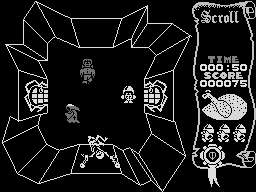
The first video game I can remember playing was Atic Atac on a Sinclair ZX Spectrum of my father. It was released in 1983 by the Stamper Brothers – who later went on to found Rare and create classics like Donkey Kong Country and GoldenEye 007.
I didn’t really understand the game back then. I was very young, and at home we only had a monochrome monitor – so it barely looked like the game was supposed to look. Still, it fascinated me.
I played games occasionally after that, but the real turning point came in 1991. I was at a friend’s place when I saw Sonic the Hedgehog for the first time. It completely blew my mind. The 16-bit era of the Sega Mega Drive and Super Nintendo is what truly made me fall in love with games.
13 Years in AAA
Fast forward many years.
In 2012, after already working in games for a while, I joined Ubisoft. Over the past 13 years, I worked there as a producer, project lead, and executive manager.
I collaborated with amazing teams, helped ship games, worked on live operations, technology development, and complex organizational challenges. It was exciting as well as exhausting at times. Most importantly, I met amazing people and I learned a lot.
From Manager to Indie Developer
Working as an indie developer requires a very different skill set than working as a manager in a large AAA studio organization.
What I primarily did before:
- Production tasks (planning, scheduling, etc.)
- Team leadership
- Risk management
- Stakeholder management
- Studio organization
- Strategic leadership
What I need to do now:
- Creative direction
- Coding
- Game & level design
- Art & animation (but I will have help with this soon! :))
- Music composing
- Story writing
- Etc.
It’s a big shift. Many of the skills that helped me succeed in a large corporation won’t directly translate. But that’s also what makes this exciting. Learning new skills, reactivating old ones, see what can be translated from AAA to indie development, and leaving a well-known path to explore something new. It all feels like a real adventure and as of now, it is a lot of work but also a lot of fun.
What I’m Doing Now
Here’s the plan:
- I’ve founded my own company
- I have a game idea and want to validate it with a prototype called Project Pinecone
- I’m more than happy that I received a funding for the prototype development from Nordmedia, which enables me to work on the prototype
- I’ll document the process on the way and I’ll share it here
This devlog won’t just be about making a game. It’s also about everything that’s required to build a development studio as an indie developer and stuff that will happen on the way.
What’s Next?
In upcoming devlog entries, I’ll write about:
- the game concept and why I chose this idea
- background of founding & funding in Germany
- my workflows and daily routines as an indie dev
- where my AAA experience helps – and where it absolutely doesn’t
- details of Project Pinecones development progress
- and so on
If you’re curious about what it’s like to move from a large studio to indie development, feel free to follow along. In the next entry, I’ll dive deeper into the game concept itself and explain why Project Pinecone is the project I decided to commit to.